AI deepfakes in this NSFW space: what you’re really facing
Sexualized deepfakes and undress images are now cheap for creation, difficult to trace, while being devastatingly credible at first glance. The risk isn’t hypothetical: AI-powered strip generators and online nude generator services are being utilized for abuse, extortion, plus reputational damage across scale.
The market moved far beyond those early Deepnude application era. Today’s explicit AI tools—often marketed as AI undress, AI Nude Generator, or virtual “digital models”—promise realistic naked images from one single photo. Though when their generation isn’t perfect, it remains convincing enough for trigger panic, extortion, and social consequences. Across platforms, people encounter results through names like various services including N8ked, DrawNudes, UndressBaby, synthetic generators, Nudiva, and PornGen. The tools contrast in speed, authenticity, and pricing, but the harm sequence is consistent: unauthorized imagery is generated and spread quicker than most individuals can respond.
Addressing this demands two parallel abilities. First, master to spot multiple common red flags that betray AI manipulation. Second, maintain a response framework that prioritizes documentation, fast reporting, and safety. What appears below is a actionable, experience-driven playbook used by moderators, security teams, and digital forensics practitioners.
How dangerous have NSFW deepfakes become?
Easy access, realism, and mass distribution combine to raise the risk level. The “undress tool” category is remarkably simple, and social platforms can distribute a single manipulated image to thousands across audiences before a deletion lands.
Low resistance is the main issue. A one selfie can become scraped from a profile and input into a apparel undressbaby deep nude Removal Tool during minutes; some tools even automate sets. Quality is inconsistent, but extortion won’t require photorealism—only credibility and shock. Outside coordination in group chats and content dumps further grows reach, and numerous hosts sit beyond major jurisdictions. Such result is one whiplash timeline: generation, threats (“give more or we post”), and spread, often before the target knows how to ask about help. That makes detection and instant triage critical.
Red flag checklist: identifying AI-generated undress content
Most clothing removal deepfakes share repeatable tells across physical features, physics, and context. You don’t require specialist tools; direct your eye on patterns that generators consistently get inaccurate.
First, look for edge artifacts and boundary weirdness. Clothing edges, straps, and seams often leave phantom imprints, with flesh appearing unnaturally refined where fabric might have compressed the surface. Jewelry, particularly necklaces and accessories, may float, blend into skin, or vanish between moments of a quick clip. Tattoos and scars are frequently missing, blurred, plus misaligned relative compared with original photos.
Additionally, scrutinize lighting, shadows, and reflections. Dark regions under breasts and along the chest area can appear artificially enhanced or inconsistent compared to the scene’s illumination direction. Reflections in mirrors, transparent surfaces, or glossy materials may show initial clothing while a main subject looks “undressed,” a clear inconsistency. Light highlights on skin sometimes repeat within tiled patterns, one subtle generator fingerprint.
Third, check texture realism and hair physics. Skin pores may appear uniformly plastic, with sudden resolution variations around the torso. Body hair and fine flyaways around upper body or the throat often blend into the background and have haloes. Hair that should cover the body might be cut off, a legacy remnant from cutting-edge pipelines used by many undress systems.
Fourth, assess proportions and continuity. Tan patterns may be absent or painted synthetically. Breast shape along with gravity can mismatch age and posture. Fingers pressing against the body must deform skin; several fakes miss such micro-compression. Clothing traces—like a sleeve edge—may imprint within the “skin” in impossible ways.
Fifth, read the environmental context. Crops tend to avoid challenging areas such as body joints, hands on body, or where fabric meets skin, concealing generator failures. Scene logos or words may warp, plus EXIF metadata is often stripped but shows editing tools but not original claimed capture equipment. Reverse image checking regularly reveals original source photo with clothing on another platform.
Sixth, evaluate motion cues if it’s video. Breath doesn’t move the torso; chest and rib movement lag the audio; and physics of hair, necklaces, and fabric don’t react to movement. Face swaps sometimes close eyes at odd intervals compared with natural human blink rates. Room acoustics and voice resonance may mismatch the visible space if sound was generated or lifted.
Seventh, analyze duplicates and balanced features. AI loves balanced patterns, so you could spot repeated surface blemishes mirrored throughout the body, plus identical wrinkles within sheets appearing on both sides across the frame. Background patterns sometimes duplicate in unnatural blocks.
Eighth, check for account conduct red flags. Fresh profiles with sparse history that abruptly post NSFW explicit content, threatening DMs demanding compensation, or confusing storylines about how their “friend” obtained this media signal a playbook, not genuine behavior.
Ninth, concentrate on consistency throughout a set. When multiple “images” of the same individual show varying physical features—changing moles, vanishing piercings, or varying room details—the chance you’re dealing encountering an AI-generated set jumps.
How should you respond the moment you suspect a deepfake?
Preserve evidence, keep calm, and work two tracks at once: removal plus containment. The first 60 minutes matters more versus the perfect message.
Initiate with documentation. Take full-page screenshots, original URL, timestamps, usernames, and any IDs within the address location. Save original messages, containing threats, and record screen video for show scrolling background. Do not edit the files; save them in a secure folder. If extortion is present, do not provide payment and do never negotiate. Blackmailers typically escalate after payment because it confirms engagement.
Next, trigger platform plus search removals. Report the content under “non-consensual intimate media” or “sexualized deepfake” where available. Submit DMCA-style takedowns while the fake uses your likeness through a manipulated copy of your picture; many hosts accept these even when the claim is contested. For continuous protection, use digital hashing service such as StopNCII to generate a hash of your intimate photos (or targeted content) so participating services can proactively prevent future uploads.
Inform reliable contacts if the content targets individual social circle, workplace, or school. One concise note explaining the material is fabricated and being addressed can reduce gossip-driven spread. When the subject remains a minor, cease everything and alert law enforcement immediately; treat it like emergency child exploitation abuse material handling and do avoid circulate the content further.
Finally, consider legal alternatives where applicable. Relying on jurisdiction, you may have claims under intimate media abuse laws, impersonation, harassment, libel, or data protection. A lawyer plus local victim assistance organization can guide on urgent injunctions and evidence standards.
Platform reporting and removal options: a quick comparison
Most primary platforms ban non-consensual intimate imagery along with deepfake porn, however scopes and workflows differ. Act rapidly and file on all surfaces where the content appears, including mirrors and short-link hosts.
| Platform | Primary concern | How to file | Processing speed | Notes |
|---|---|---|---|---|
| Meta (Facebook/Instagram) | Non-consensual intimate imagery, sexualized deepfakes | In-app report + dedicated safety forms | Rapid response within days | Supports preventive hashing technology |
| Twitter/X platform | Unwanted intimate imagery | User interface reporting and policy submissions | Inconsistent timing, usually days | Requires escalation for edge cases |
| TikTok | Sexual exploitation and deepfakes | Application-based reporting | Quick processing usually | Blocks future uploads automatically |
| Non-consensual intimate media | Community and platform-wide options | Varies by subreddit; site 1–3 days | Target both posts and accounts | |
| Alternative hosting sites | Abuse prevention with inconsistent explicit content handling | Direct communication with hosting providers | Inconsistent response times | Employ copyright notices and provider pressure |
Legal and rights landscape you can use
The legislation is catching pace, and you probably have more options than you imagine. You don’t need to prove which party made the fake to request removal under many regimes.
In United Kingdom UK, sharing pornographic deepfakes without consent is a illegal offense under existing Online Safety legislation 2023. In the EU, the AI Act requires labeling of AI-generated content in certain situations, and privacy legislation like GDPR support takedowns where using your likeness lacks a legal justification. In the US, dozens of states criminalize non-consensual pornography, with several incorporating explicit deepfake clauses; civil lawsuits for defamation, invasion upon seclusion, plus right of publicity often apply. Several countries also offer quick injunctive relief to curb circulation while a case proceeds.
If an undress image was derived from individual original photo, legal ownership routes can provide solutions. A DMCA takedown request targeting the modified work or such reposted original usually leads to quicker compliance from hosts and search web crawlers. Keep your notices factual, avoid excessive assertions, and reference specific specific URLs.
Where platform enforcement slows, escalate with appeals citing their official bans on synthetic adult content and “non-consensual intimate imagery.” Persistence matters; repeated, well-documented reports surpass one vague request.
Personal protection strategies and security hardening
You cannot eliminate risk fully, but you can reduce exposure while increase your advantage if a issue starts. Think in terms of material that can be scraped, how it can be remixed, and how fast people can respond.
Strengthen your profiles by limiting public clear images, especially straight-on, well-lit selfies that clothing removal tools prefer. Explore subtle watermarking within public photos plus keep originals archived so you can prove provenance during filing takedowns. Review friend lists and privacy settings across platforms where unknown users can DM or scrape. Set create name-based alerts across search engines and social sites for catch leaks promptly.
Create some evidence kit in advance: a prepared log for URLs, timestamps, and account names; a safe online folder; and a short statement people can send to moderators explaining the deepfake. If you manage brand and creator accounts, consider C2PA Content Credentials for new posts where supported to assert provenance. For minors in your care, lock down tagging, disable public DMs, and educate about sextortion tactics that start through “send a intimate pic.”
At employment or school, identify who handles online safety issues and how quickly they act. Pre-wiring one response path minimizes panic and slowdowns if someone tries to circulate such AI-powered “realistic explicit image” claiming it’s yourself or a peer.
Did you know? Four facts most people miss about AI undress deepfakes
Nearly all deepfake content on platforms remains sexualized. Various independent studies over the past few years found when the majority—often exceeding nine in every ten—of detected AI-generated content are pornographic and non-consensual, which matches with what platforms and researchers see during takedowns. Hashing works without sharing your image openly: initiatives like protective hashing services create a unique fingerprint locally and only share the hash, not the photo, to block additional postings across participating websites. EXIF metadata rarely provides value once content gets posted; major websites strip it on upload, so avoid rely on metadata for provenance. Digital provenance standards remain gaining ground: C2PA-backed “Content Credentials” can embed signed modification history, making this easier to demonstrate what’s authentic, but adoption is currently uneven across user apps.
Quick response guide: detection and action steps
Pattern-match for the nine warning signs: boundary artifacts, illumination mismatches, texture and hair anomalies, sizing errors, context inconsistencies, physical/sound mismatches, mirrored patterns, suspicious account activity, and inconsistency across a set. If you see two or more, handle it as potentially manipulated and transition to response mode.
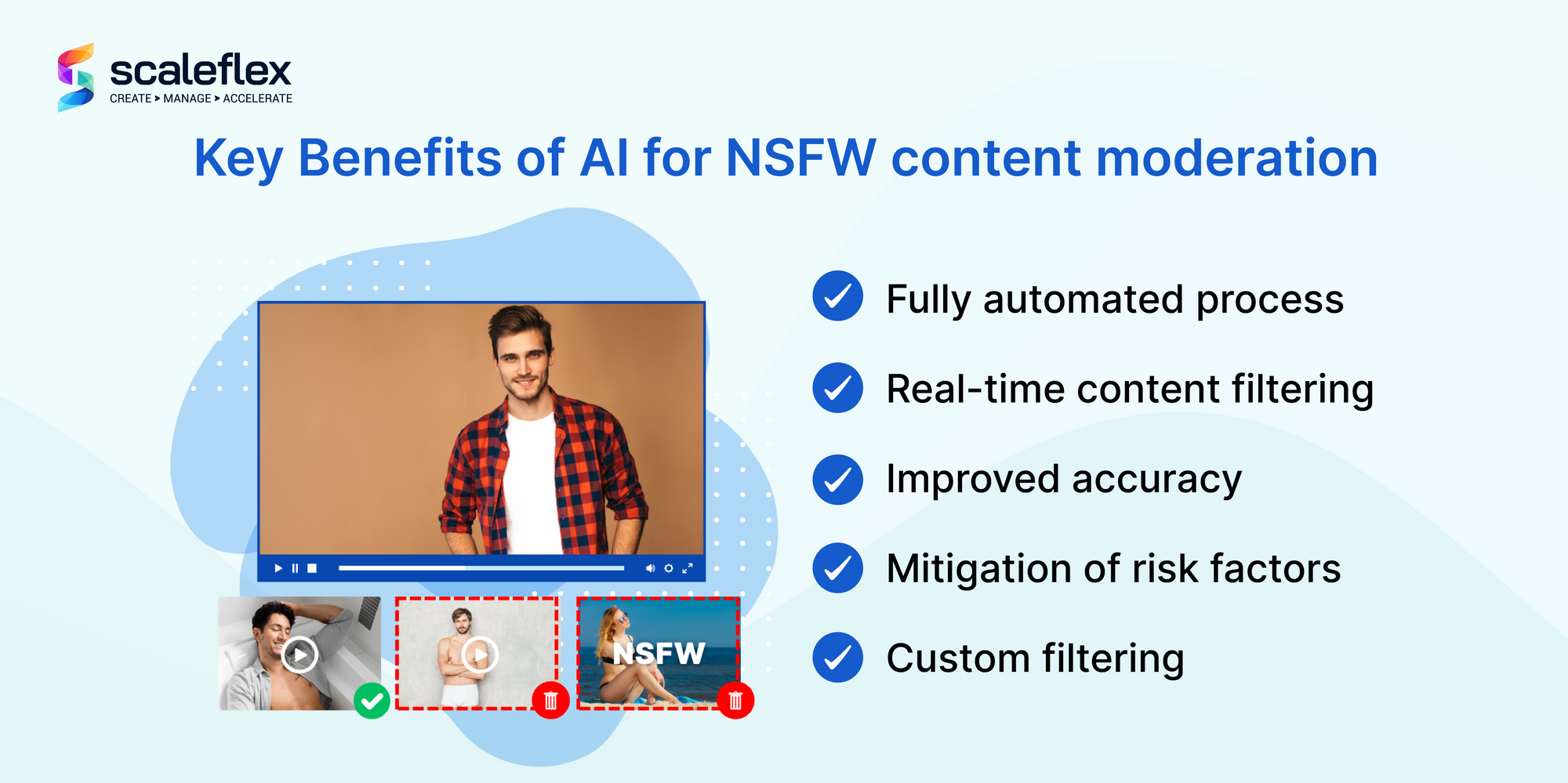
Capture documentation without resharing such file broadly. Submit complaints on every host under non-consensual personal imagery or adult deepfake policies. Use copyright and personal rights routes in parallel, and submit a hash to some trusted blocking service where available. Alert trusted contacts with a brief, straightforward note to cut off amplification. When extortion or minors are involved, escalate to law officials immediately and refuse any payment and negotiation.
Beyond all, act fast and methodically. Strip generators and online nude generators rely on shock along with speed; your benefit is a measured, documented process which triggers platform systems, legal hooks, and social containment as a fake may define your reputation.
For transparency: references to brands like N8ked, undressing applications, UndressBaby, AINudez, Nudiva, and PornGen, plus similar AI-powered clothing removal app or Generator services are included to explain risk patterns and do not endorse such use. The safest position is simple—don’t engage in NSFW deepfake generation, and know how to dismantle synthetic content when it targets you or anyone you care regarding.


