The Allure of Risk and Reward
The psychology of casino gaming revolves heavily around the concepts of risk and reward. Gamblers are often drawn to the thrill of taking risks, which can trigger a rush of excitement and adrenaline. This sensation can be addictive, as the brain releases dopamine, a neurotransmitter associated with pleasure and motivation, during moments of potential wins. Engaging with platforms that highlight trends, such as bitcoin casinos, helps players navigate strategies effectively. Understanding this aspect of human behavior helps explain why many individuals return to gambling despite the inherent risks involved.
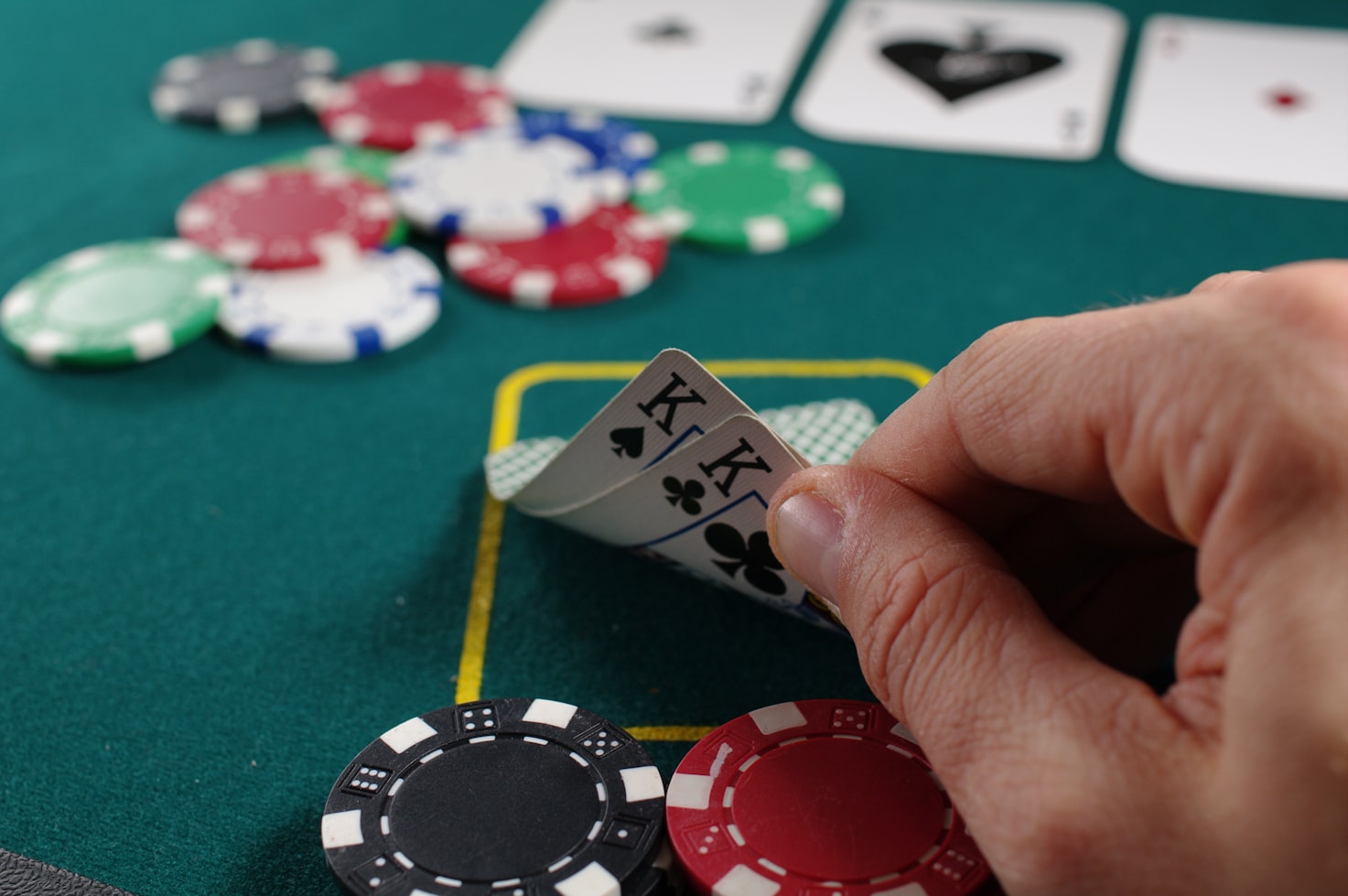
Moreover, the excitement surrounding risk-taking can lead players to develop various strategies. These strategies serve as a way to feel more in control of their gaming experience, even if, fundamentally, the outcomes remain largely unpredictable. The desire to optimize their chances of winning propels players to research and adopt different methods, from card counting in blackjack to using betting systems in games like roulette.
Cognitive Biases and Decision-Making
Gamblers are often influenced by cognitive biases, which significantly impact their decision-making processes. One common bias is the “gambler’s fallacy,” the belief that past events can influence future outcomes. For instance, a player might assume that a particular slot machine is “due” for a payout after a series of losses, leading them to persist in their betting. This irrational thinking can cloud judgment and distort reality, ultimately influencing betting behavior.
Another prevalent cognitive bias is the illusion of control, which gives players an overestimation of their ability to influence outcomes in games of chance. This belief can drive individuals to employ strategies that provide them with a false sense of control, thereby increasing their time spent gaming and, in turn, their overall expenditure. Acknowledging these biases sheds light on why players often pursue specific gaming strategies, even when statistical evidence suggests otherwise.
Emotion and Gambling Behavior
Emotions play a crucial role in shaping gambling behavior. Many players associate the experience of gambling with a wide array of feelings, from joy and excitement to disappointment and anxiety. These emotions can significantly influence decision-making, often leading to impulsive choices. For example, a winning streak may encourage a player to increase their bets, while a series of losses could prompt them to chase their losses, further aggrandizing their emotional responses.
Additionally, the environment in which gaming occurs can amplify emotional experiences. The sights, sounds, and ambiance of casinos are carefully designed to evoke specific feelings that keep players engaged. This sensory stimulation can heighten emotional investment in games, further complicating the psychological landscape players navigate. Understanding how emotions interplay with gameplay can provide insights into why individuals employ specific strategies or behaviors when gambling.
Social Dynamics in Casino Gaming
Casino gaming is not only an individual endeavor; it often involves social dynamics that can significantly affect player strategies. The desire for social acceptance and validation can lead individuals to alter their betting behaviors based on the actions of others in the gaming environment. These social influences can enhance competition, camaraderie, and even peer pressure, all of which can impact decision-making processes.
Moreover, the communal atmosphere of casinos encourages shared experiences, where players celebrate wins together and commiserate over losses. This social interaction can play a pivotal role in shaping a gambler’s psyche, leading them to adopt strategies that align with group norms or trends. As a result, understanding the social context of gambling can provide a fuller picture of how strategies evolve within the gaming community.

Utilizing Insights for Responsible Gaming
Understanding the psychology behind casino gaming strategies is essential for promoting responsible gambling practices. By recognizing the cognitive biases, emotional triggers, and social influences at play, players can arm themselves with knowledge to make more informed decisions. This awareness can empower individuals to set limits, understand their motivations, and ultimately gamble more responsibly.
Additionally, platforms like Leadmonk.io can play a role in fostering responsible gaming by providing tools and insights that help players analyze their behaviors and strategies. By leveraging data-driven approaches to engagement, individuals can enhance their gaming experiences while minimizing associated risks. Ultimately, the goal is to create a balanced environment where players can enjoy the thrill of gaming without compromising their well-being.


